
Canada's Housing Recovery Is Coming — But Don't Expect a BoomWhat RBC's Latest Forecast Means for Buyers and Sellers in 2026-2027If you've been waiting for a sign that the Canadian housing

Dated: March 19 2025
Views: 520
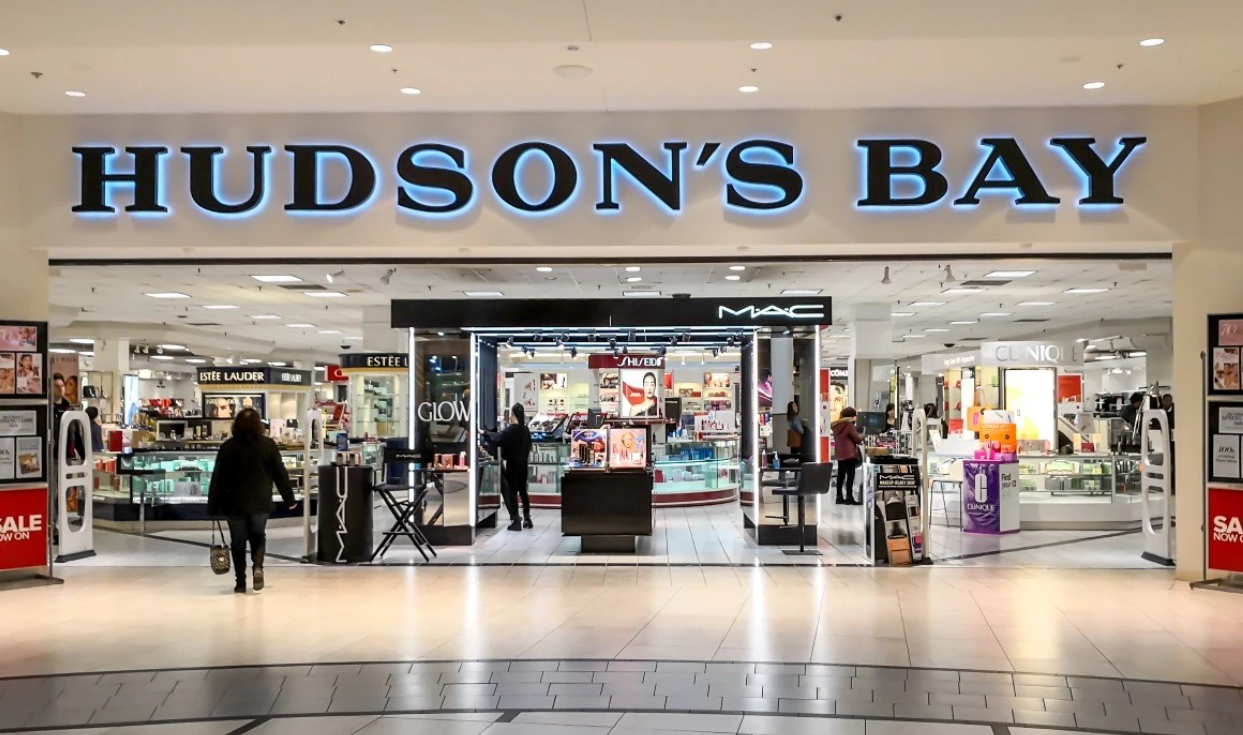
The iconic Canadian retailer Hudson's Bay, with its rich 350-year history, has found itself at a critical juncture. On March 7, 2025, the company filed for bankruptcy protection, marking a somber moment in Canadian retail history1. This development has left many wondering how such a venerable institution could fall into such dire straits. Let's delve into the financial missteps and strategic errors that led to Hudson's Bay's financial crisis, examining the impact of failed modernization attempts and the company's inability to secure necessary financing.
Hudson's Bay's downfall wasn't the result of a single factor but rather a confluence of economic pressures that created a perfect storm for the retailer.
The ongoing trade tensions between Canada and the United States played a significant role in Hudson's Bay's struggles. The uncertainty caused by retaliatory tariffs and the broader trade war created a challenging environment for the company to secure financing1. This situation made it difficult for Hudson's Bay to refinance its existing debt and obtain the necessary capital to continue operations.
The COVID-19 pandemic accelerated changes in consumer behavior that were already underway. With a permanent reduction in downtown office workers and the widespread adoption of work-from-home policies, foot traffic in major urban stores decreased significantly1. This shift dealt a severe blow to Hudson's Bay, which relied heavily on its prime downtown locations for sales.
Rising costs of living, soaring mortgage rates, and a weakening Canadian dollar have all contributed to restrained discretionary spending among Canadian consumers1. As a retailer that depended on customer spending for profitability, Hudson's Bay felt the full force of this economic squeeze.
While external factors played a role, Hudson's Bay's internal decisions and operational failures significantly contributed to its downfall.
One of Hudson's Bay's most notable missteps was its inconsistent approach to e-commerce. The company attempted to "buck the trend" by separating its website, TheBay.com, from its store business, only to abandon this strategy within a year1. This lack of a cohesive digital strategy created confusion around the retailer's online and physical presence, hindering its ability to compete in an increasingly digital retail landscape.
The attempt to revive the Zellers brand serves as another example of Hudson's Bay's strategic failures. While the initial launch in Burlington Mall showed promise, poor execution led to its ultimate failure1. By the time Zellers expanded into Durham Region, it had been reduced to an uninspiring collection of overpriced and poorly merchandised assortments, epitomizing Hudson's Bay's broader retail strategy failures.
As financial pressures mounted, operational issues began to surface. During the pandemic, disputes arose between Hudson's Bay and its landlords over the maintenance of store environments1. The company's failure to maintain its HVAC systems, leading to store closures due to unsafe conditions, was a clear sign of operational neglect that plagued the retailer during this period.
In an era where technological innovation is crucial for retail success, Hudson's Bay chose to patch up its old legacy systems rather than invest in modern technology1. This decision left the company lagging behind its competitors in terms of efficiency and innovation, hindering its ability to compete effectively in the digital era.
The constant turnover in Hudson's Bay's leadership contributed significantly to its decline. The company cycled through multiple presidents in a manner reminiscent of Sears Canada's final years, with each new leader coming and going without making a significant impact1. This revolving door of leadership sent a clear message to both consumers and suppliers that Hudson's Bay lacked a clear vision and stable direction.
Hudson's Bay's attempts to modernize and reposition itself in the market were largely unsuccessful.
While competitors invested aggressively in e-commerce and omnichannel experiences, Hudson's Bay's transition was slower, leaving it vulnerable to digital-first retailers like Amazon and Canadian competitors such as Simons3. The company's e-commerce operation was particularly disastrous, with a user-unfriendly website that failed to cater to its Canadian customer base4.
Hudson's Bay's online presence failed to offer any significant advantages to shoppers. The website's pricing structure was unclear, often leaving customers unsure whether prices were in Canadian or US dollars4. Additionally, high shipping charges and uncompetitive pricing made Hudson's Bay's online offerings unattractive compared to both direct-to-consumer brands and other retailers.
Despite its Canadian heritage, Hudson's Bay's US ownership created a disconnect with its core Canadian market. The pricing structure, delivery times, and shipping fees didn't meet Canadian customer expectations, leaving loyal customers feeling betrayed4.
Hudson's Bay's financial woes came to a head in early 2025 when the company failed to secure adequate financing for restructuring.
By March 2025, Hudson's Bay was nearly $1 billion in debt, owing money to almost 2,000 creditors, including major brands such as Nike Canada, Ralph Lauren, and Adidas Canada2. The company had just $3 million in cash at the start of the year and carried $1.1 billion in secured debt, including $724.4 million in mortgages2.
Hudson's Bay's recent efforts to refinance its credit facilities earlier in 2024 were ultimately thwarted by external economic pressures and the risks associated with the ongoing trade war1. The company's attempts to find new investors or secure additional financing have been unsuccessful, leaving liquidation as the most viable course of action5.
The financial crisis has left Hudson's Bay's creditors and employees in a precarious position. Secured creditors, such as banks, will be prioritized for repayment, while unsecured creditors - including suppliers and employees - may receive only a fraction of what they're owed2. Employees terminated during the process will likely receive reduced severance pay, as unsecured claims are typically lower in priority.
As of March 2025, Hudson's Bay's future hangs in the balance. The company has secured $23 million in interim financing from Restore Capital LLC, but this funding only facilitates an orderly liquidation rather than a restructuring plan that would allow Hudson's Bay to remain operational5.
Unless a buyer or additional financing is secured, liquidation sales could commence across Hudson's Bay's 80 department stores, three Saks Fifth Avenue locations, and 13 Saks Off Fifth outlets5. The company's lawyers have stated that "the math doesn't work" and that liquidation remains the most viable course of action without new capital5.
Hudson's Bay had been in talks with landlords to keep roughly 40 stores open, but those discussions fell apart in mid-March5. The retailer had proposed that landlords temporarily waive rent payments and potentially invest in keeping select locations operational. Without such agreements, full liquidation appears to be the only path forward.
Despite ongoing speculation, few viable buyers have emerged for Hudson's Bay's assets. Retail analysts suggest that the chances of a last-minute rescue are slim, with some comparing the likelihood to being struck by lightning5.
The fall of Hudson's Bay offers several important lessons for the retail industry and highlights the brutal realities of modern retail.
Hudson's Bay's failure to evolve and adapt to changing consumer preferences serves as a cautionary tale for other retailers. The company's slow adoption of e-commerce and failure to create engaging in-store experiences left it unable to compete in the modern retail landscape4.
The company's inconsistent approach to digital transformation and brand positioning highlights the importance of a clear, consistent strategy in retail. Frequent changes in direction and leadership can erode customer trust and hinder a company's ability to execute long-term plans.
Hudson's Bay's US ownership and its impact on the company's connection with its core Canadian market underscore the importance of maintaining a strong understanding of and relationship with a retailer's primary customer base.
As a company with a 350-year history, Hudson's Bay struggled to balance its heritage with the need for innovation. This challenge is one that many long-standing retailers face, highlighting the need for companies to find ways to honor their history while still meeting the needs of modern consumers.
The financial crisis facing Hudson's Bay is a complex tapestry woven from external economic pressures, internal strategic missteps, and operational failures. From inconsistent digital strategies and failed brand revivals to a disconnect from its core market and an inability to secure necessary financing, Hudson's Bay's struggles offer a sobering case study in retail decline.
As the company faces the prospect of liquidation, the Canadian retail landscape stands at a crossroads. The potential loss of this iconic retailer serves as a stark reminder of the unforgiving nature of modern retail and the critical importance of adaptability, consistent strategy, and strong financial management.
The story of Hudson's Bay's financial struggles is not just a tale of a single company's misfortunes, but a reflection of the broader challenges facing traditional retailers in an increasingly digital and competitive marketplace. As the retail industry continues to evolve, the lessons learned from Hudson's Bay's downfall will undoubtedly inform the strategies of retailers striving to survive and thrive in this challenging environment.

Deepak Raj is a REALTOR® with Royal Canadian Realty, helping buyers, sellers, and investors across Newmarket, Aurora, York Region, and the GTA. He specializes in residential resale, new constructi....
Canada's Housing Recovery Is Coming — But Don't Expect a BoomWhat RBC's Latest Forecast Means for Buyers and Sellers in 2026-2027If you've been waiting for a sign that the Canadian housing
GTA & York Region Real Estate Market Update: August 2026What the latest TRREB numbers mean in Newmarket, Aurora, Markham, Vaughan, Simcoe County and across Southern OntarioBy Deepak Raj, Realtor
Newmarket Market Data · July 2026How Long Does It Really Take to Sell a House in Newmarket?2026 Market Data, Neighbourhood-Level Days on Market & What It Means for Your SaleQuick AnswerAs
Deepak Raj Realtor Royal Canadian Realty, BrokerageBook a Free ConsultationUnderstanding your Buyer Representation Agreement before you sign matters as much as the offer itself.Ontario Buyer's&

The listing data displayed is deemed reliable but is not guaranteed accurate by CREA®. Data last updated on September 22, 2026 5:42 PM UTC The trademarks REALTOR®, REALTORS®; and the REALTOR® logo are controlled by The Canadian Real Estate Association (CREA®) and identify real estate professionals who are members of CREA®. Used under license. The trademarks MLS®, Multiple Listing Service® and the associated logos are owned by The Canadian Real Estate Association (CREA®) and identify the quality of services provided by real estate professionals who are members of CREA®. Used under license.
Show More...
 Data provided by the Ontario Regional Technology & Information Systems. The information is deemed reliable, but is not guaranteed. Not intended to solicit buyers or sellers, landlords or tenants currently under contract.
The trademarks REALTOR®, REALTORS® and the REALTOR® logo are controlled by The Canadian Real Estate Association (CREA) and identify real estate professionals who are members of CREA. The trademarks MLS®, Multiple Listing Service® and the associated logos are owned
by CREA and identify the quality of services provided by real estate professionals who are members of CREA. Used under license.
REALTOR® contact information provided to facilitate inquiries from consumers interested in Real Estate services. Please do not contact the website owner with unsolicited commercial offers.
Show More...
Data provided by the Ontario Regional Technology & Information Systems. The information is deemed reliable, but is not guaranteed. Not intended to solicit buyers or sellers, landlords or tenants currently under contract.
The trademarks REALTOR®, REALTORS® and the REALTOR® logo are controlled by The Canadian Real Estate Association (CREA) and identify real estate professionals who are members of CREA. The trademarks MLS®, Multiple Listing Service® and the associated logos are owned
by CREA and identify the quality of services provided by real estate professionals who are members of CREA. Used under license.
REALTOR® contact information provided to facilitate inquiries from consumers interested in Real Estate services. Please do not contact the website owner with unsolicited commercial offers.
Show More...