
Canada's Housing Recovery Is Coming — But Don't Expect a BoomWhat RBC's Latest Forecast Means for Buyers and Sellers in 2026-2027If you've been waiting for a sign that the Canadian housing

Dated: March 23 2025
Views: 122
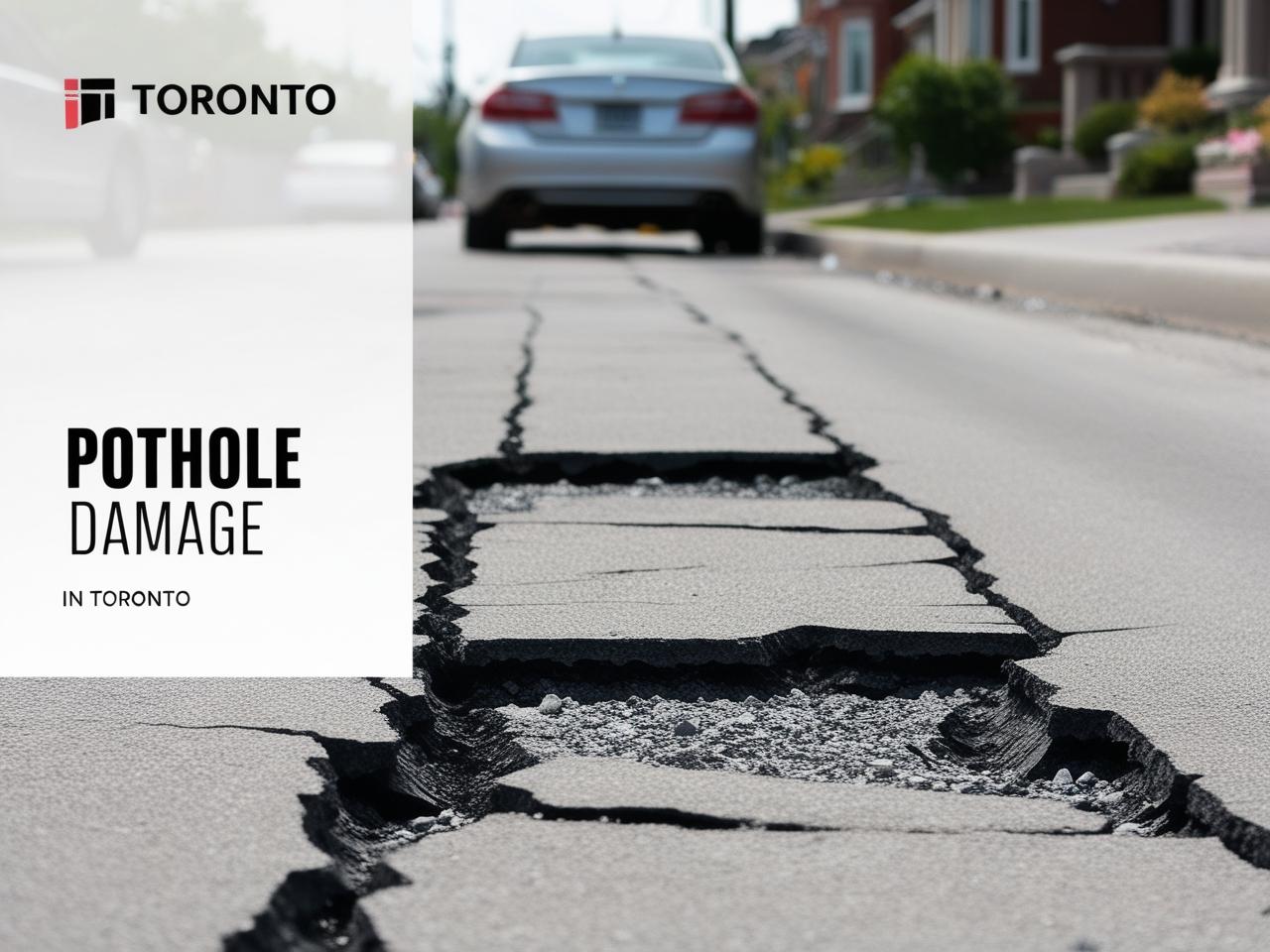
Toronto’s roads are infamous for their potholes, especially during the freeze-thaw cycles of spring. For drivers, these potholes often mean unexpected repair bills—sometimes as high as $2,000 for issues like flat tires, damaged suspension, or misalignment. But beyond the immediate financial hit to drivers, poor road maintenance can impact real estate trends, neighborhood appeal, and long-term property values across the Greater Toronto Area (GTA). Whether you're a homeowner, investor, or prospective buyer, understanding the broader impact of potholes and road conditions can help you make smarter decisions in the real estate market.
Potholes are formed when water seeps into cracks in the pavement, freezes, and expands. This process weakens the road surface, leading to cracks and, eventually, large holes. These hazards are not only an annoyance but also a financial burden for drivers. The average repair cost for pothole-related damage ranges from $300 to $2,000, depending on the severity. Common issues include:
While these costs add up for individuals, the cumulative effect on the city's residents is substantial, straining household budgets and influencing decisions around housing, transportation, and investment.
If your vehicle has been damaged by a pothole in Toronto, you can file a claim for compensation. However, success is rare. The City of Toronto is only liable if it failed to meet Ontario’s Minimum Maintenance Standards (MMS) for highways. These standards stipulate that potholes on major roads must be repaired within 4 days of being reported, while repairs on residential streets can take up to 30 days.
If the City meets these timelines, your claim will likely be denied. Historically, about 96% of claims are rejected, making the process frustrating for many residents.
Alternatively, if you have collision or all-perils insurance, consider filing through your provider. Many insurers will pursue compensation from the City on your behalf, which can expedite the process.
To help streamline your claim, download our free Pothole Claim Filing Checklist (PDF): Download Checklist
While potholes might seem like a transportation issue, they have deeper implications for real estate in the GTA. Road quality is an often-overlooked factor in property valuation and neighborhood desirability.
Consistently poor road maintenance can signal municipal neglect, which may deter potential buyers or renters. Neighborhoods plagued by potholes may experience slower property value growth compared to areas with well-maintained infrastructure.
With housing affordability already a concern, initiatives like the GST elimination for first-time homebuyers aim to make the market more accessible. However, infrastructure quality remains a key factor influencing buyer decisions.
Many GTA residents consider commute time and road conditions when choosing a neighborhood. Poor road maintenance can make commuting stressful, dangerous, and costly, steering buyers away from affected areas.
Unexpected repair costs from pothole damage, combined with rising property taxes and mortgage payments, can significantly strain household budgets. This limits homeowners’ ability to invest in renovations or upgrades, which may further impact property values. Renters also feel the pressure, especially in a market prone to rental scams, where infrastructure quality often influences the legitimacy and value of a rental listing.
Frequent potholes and denied compensation claims can erode trust in municipal management, making certain neighborhoods less attractive for long-term investment. The City’s performance in handling such issues was highlighted in a recent Ombudsman Report, which analyzed claim processing under $10,000
Potholes are often symptomatic of wider infrastructure issues, including water drainage problems, utility repairs, and traffic volume stress. In areas where maintenance is delayed or inadequate, property insurance premiums may rise, further impacting affordability and investment appeal.
Moreover, the presence of potholes can deter businesses from setting up shop, which limits job opportunities and reduces local economic growth. Commercial landlords may struggle to attract tenants, and residents may need to travel farther for goods and services, increasing traffic and further stressing the infrastructure.
Despite these challenges, communities can advocate for better infrastructure by reporting potholes, attending city council meetings, and supporting candidates with a focus on urban planning and road maintenance. Informed buyers and renters can prioritize areas with strong municipal support and proactive maintenance schedules.
Additionally, educational resources like our Essential Guide to Renting in Toronto can help renters navigate the market effectively, ensuring their housing choices align with infrastructure and neighborhood quality.
Potholes are more than just an inconvenience—they reflect a city’s priorities and affect daily life, financial stability, and property values. Staying informed about the impact of infrastructure and knowing how to navigate compensation processes can help homeowners and investors make better choices.
If you're considering a move or an investment, factor in local infrastructure quality, and don’t hesitate to ask about maintenance history and upcoming projects. And if pothole damage has impacted you, document everything and submit your claim promptly.
Book a Consultation - Book Now
Need help filing your claim or understanding your neighborhood’s infrastructure outlook? Contact us for personalized advice tailored to your real estate goals.

Deepak Raj is a REALTOR® with Royal Canadian Realty, helping buyers, sellers, and investors across Newmarket, Aurora, York Region, and the GTA. He specializes in residential resale, new constructi....
Canada's Housing Recovery Is Coming — But Don't Expect a BoomWhat RBC's Latest Forecast Means for Buyers and Sellers in 2026-2027If you've been waiting for a sign that the Canadian housing
GTA & York Region Real Estate Market Update: August 2026What the latest TRREB numbers mean in Newmarket, Aurora, Markham, Vaughan, Simcoe County and across Southern OntarioBy Deepak Raj, Realtor
Newmarket Market Data · July 2026How Long Does It Really Take to Sell a House in Newmarket?2026 Market Data, Neighbourhood-Level Days on Market & What It Means for Your SaleQuick AnswerAs
Deepak Raj Realtor Royal Canadian Realty, BrokerageBook a Free ConsultationUnderstanding your Buyer Representation Agreement before you sign matters as much as the offer itself.Ontario Buyer's&

The listing data displayed is deemed reliable but is not guaranteed accurate by CREA®. Data last updated on September 22, 2026 5:42 PM UTC The trademarks REALTOR®, REALTORS®; and the REALTOR® logo are controlled by The Canadian Real Estate Association (CREA®) and identify real estate professionals who are members of CREA®. Used under license. The trademarks MLS®, Multiple Listing Service® and the associated logos are owned by The Canadian Real Estate Association (CREA®) and identify the quality of services provided by real estate professionals who are members of CREA®. Used under license.
Show More...
 Data provided by the Ontario Regional Technology & Information Systems. The information is deemed reliable, but is not guaranteed. Not intended to solicit buyers or sellers, landlords or tenants currently under contract.
The trademarks REALTOR®, REALTORS® and the REALTOR® logo are controlled by The Canadian Real Estate Association (CREA) and identify real estate professionals who are members of CREA. The trademarks MLS®, Multiple Listing Service® and the associated logos are owned
by CREA and identify the quality of services provided by real estate professionals who are members of CREA. Used under license.
REALTOR® contact information provided to facilitate inquiries from consumers interested in Real Estate services. Please do not contact the website owner with unsolicited commercial offers.
Show More...
Data provided by the Ontario Regional Technology & Information Systems. The information is deemed reliable, but is not guaranteed. Not intended to solicit buyers or sellers, landlords or tenants currently under contract.
The trademarks REALTOR®, REALTORS® and the REALTOR® logo are controlled by The Canadian Real Estate Association (CREA) and identify real estate professionals who are members of CREA. The trademarks MLS®, Multiple Listing Service® and the associated logos are owned
by CREA and identify the quality of services provided by real estate professionals who are members of CREA. Used under license.
REALTOR® contact information provided to facilitate inquiries from consumers interested in Real Estate services. Please do not contact the website owner with unsolicited commercial offers.
Show More...